
"coffee taste defects"
8000 article(s) found

Colombian coffee raw bean grading method
One: according to the defect rate, the number of defective beans allowed per 500 gr sample:-Private raw bean exporter: 72 defects-National Coffee Council: 42 defects defective beans are divided into two types:-first: known as first-level defects-second: called second-level defects first: main defects (defects that affect coffee taste characteristics): black beans, moldy beans.
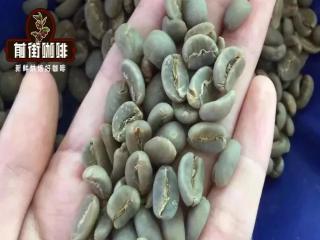
What are defective coffee beans? Classification and definition of coffee defective beans.
Defective coffee fingers can lead to defective coffee beans with poor flavor. Some defective beans can be easily detected in the state of raw beans, while others can only be detected in the final testing stage. Minor defects are easier to identify with the naked eye than those bitten by insects, while more serious phenolic defects are more difficult to judge with the naked eye.

Hand-brewed coffee beans how to select defective beans? What are defective beans? Which are defective beans?
Professional coffee knowledge exchange more coffee bean information please follow the coffee workshop (Wechat official account cafe_style) We are looking for "defective beans". The so-called defective beans (defected beans) are poor quality, bad coffee beans, or substances other than coffee beans mixed in the whole bag of coffee beans. We will pick the beans before the coffee beans are roasted.

What do defective beans refer to? why should defective beans be found before roasting Coffee? effect of defective beans on coffee
Professional coffee knowledge exchange more coffee bean information Please pay attention to the efficiency of manual sorting in the coffee workshop (Wechat official account cafe_style). The trick is to regularize the sorting process to pick out defective beans from a large number of coffee beans, which is a very time-consuming and time-consuming task. But as long as you get the hang of it, you can do it efficiently. When picking out defects in raw beans, it is recommended that they be dull.

The science of coffee cup testing: are over-fermented raw beans considered "defective beans"?
Professional coffee knowledge exchange more coffee bean information Please pay attention to the coffee workshop (Wechat official account cafe_style) beans have standards, zero defect without bad taste raw beans, no matter in the planting, harvest, processing, transportation, storage and all the process, there may be aroma defects, we call these defective beans or bad beans. In particular, the processing of coffee cherries is complicated due to the need to go through it.
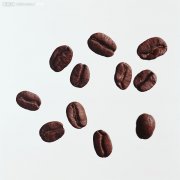
Grading defective beans according to the proportion of sieve and defective beans is an important factor that destroys the flavor of the final coffee.
Boutique coffee (specialty coffee) is also called specialty coffee selection coffee. It refers to coffee made from a small number of raw beans with excellent taste grown in an ideal geographical environment. Depending on the special soil and climatic conditions in which they grow, they have outstanding flavor. After strict selection and classification, this kind of coffee is hard in texture, rich in taste and stylish.

Definition of Fine Coffee Cup Test Grade-American Fine Coffee Association
The definition of boutique coffee cup test grade-the American Fine Coffee Association three taste threshold tests, refers to the sweet and sour taste recognition. One of them is to find out which of the nine cups of water are sweet, sour and salty; one is to distinguish the three concentration levels in each of the three cups of sour, sweet and salty; and the other is three flavors, three grades, that is, nine solutions, which are mixed with each other, and then eight cups are mixed.
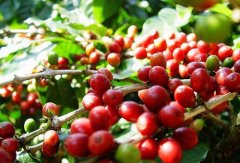
How are coffee beans classified according to the proportion of sieve and defective beans?
The classification of defective beans according to the proportion of sieve and defective beans is an important factor to destroy the flavor of the final coffee. Therefore, defective beans should also be removed in the last step of raw bean processing. Therefore, according to the proportion of defective beans, supplemented by the size of the screen is also used as a way of classification. Due to the rise of boutique coffee, coffee producing countries pay more and more attention to the quality of coffee, and the control of defective beans is the most important way.

What are coffee roasting defects | what are the characteristics of baking defects | judgment of baking defects
Professional coffee knowledge exchange more coffee bean information Please pay attention to the coffee workshop (Wechat official account cafe_style) when it comes to coffee defects, most of the time you think of either mixed with defective beans, or brewing problems, in fact, there is another situation, that is, baking defects! So what are baking flaws? Qianjie Coffee to introduce to you! Baked beans are
Colombian coffee grading
According to the classification of defective beans, defective beans can be divided into two types:-first: called first-class defects-second: called second-level defects. First: main defects (defects that affect the taste characteristics of coffee): black beans. Private exporters of moldy beans or sour beans: no more than 12 national coffee committees: no more than 8 first-level defective beans, second: secondary defects
About the defective beans of raw beans
The same apple tree does not necessarily have a sweet and sour taste, not every apple has a good appearance and consistent maturity, some may have been bitten by insects, some may be stunted, and so on, this is a very normal phenomenon. The same is true of coffee. The raw coffee beans obtained from the treated coffee fruits are not always good.
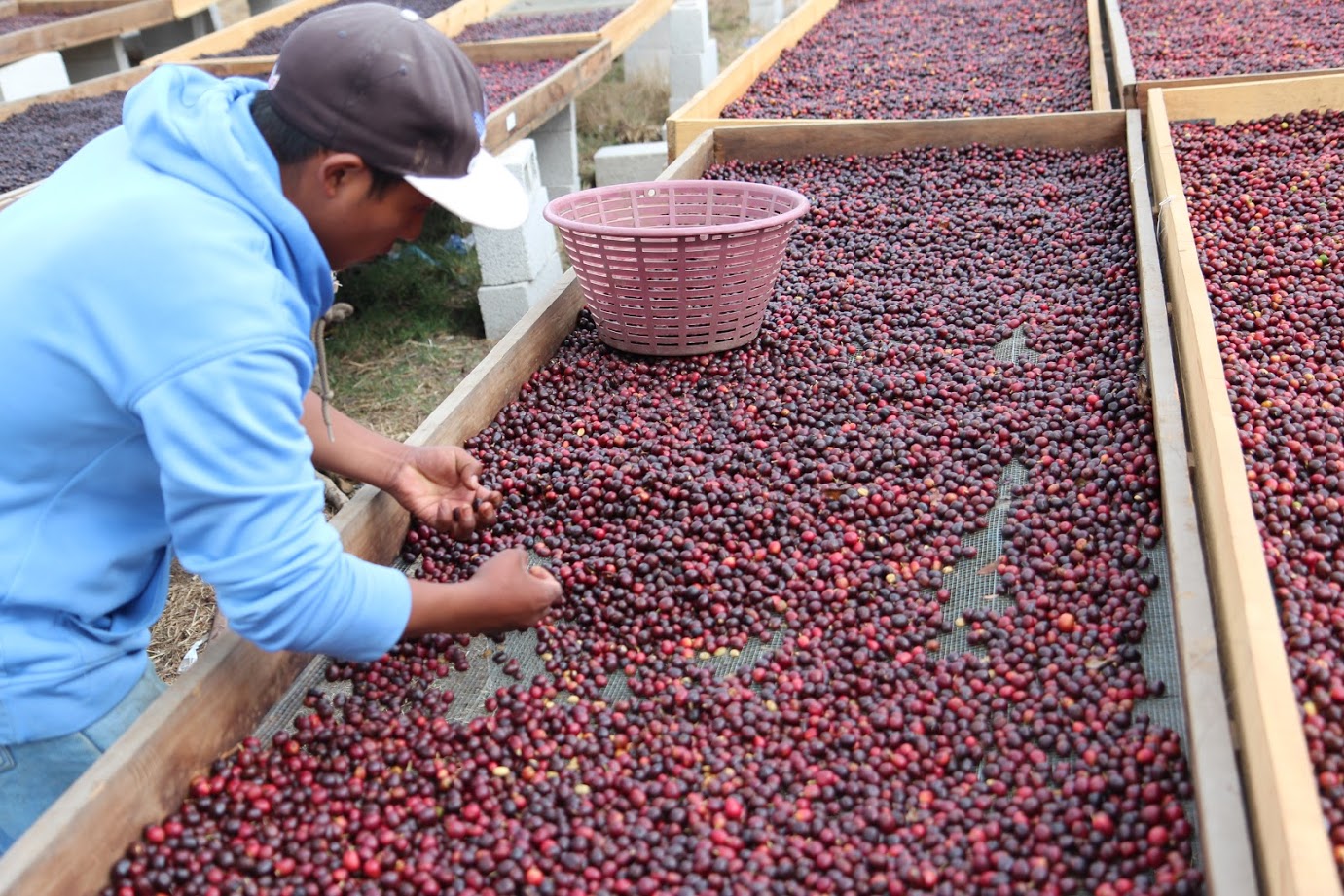
Know the defective beans before you drink coffee! Where did the defective beans go? What do defective beans look like?
Professional coffee knowledge exchange More coffee bean information Please pay attention to coffee workshop (Weixin Official Accounts cafe_style) A cup of coffee fragrance reminds us of the importance of proper preservation of raw materials in the food journey. The quality of coffee beans affects the flavor when drinking. Even improperly stored coffee beans may contain toxins. Long-term drinking may have an impact on health. The origin is defective beans.

Coffee defective bean definition picture and text what is coffee defective bean how to identify different defective beans?
Professional coffee knowledge exchange more coffee bean information Please follow the coffee workshop (Wechat official account cafe_style) manual sorting operation there is a trick is to decide which kind of defective beans to start with. First of all, the order of inspection is color, luster, and shape. After removing the foreign bodies and black beans whose colors are obviously different from those of raw beans, there are dead beans, fermented beans and non-glossy beans.
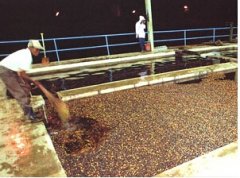
Characteristics of Colombian boutique coffee beans Colombian boutique coffee
According to the classification of defective beans, defective beans can be divided into two types:-first: called first-class defects-second: called second-level defects. First: main defects (defects that affect the taste characteristics of coffee): black beans. Private exporters of moldy beans or sour beans: no more than 12 national coffee committees: no more than 8 first-level defective beans, second: secondary defects
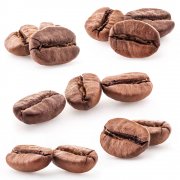
Grading according to the proportion of sieve and defective beans
Grading defective beans according to the ratio of sieve and defective beans is an important factor in destroying the flavor of the final coffee. Therefore, defective beans should also be removed in the final step of green bean processing. Therefore, according to the proportion of defective beans, supplemented by screen size is also used as a classification method. Due to the rise of the fine coffee trend, coffee producing countries are paying more and more attention to the quality of coffee. Controlling defective beans is the most important way.

Coffee roasting-illustration of defective coffee beans
Professional coffee knowledge exchange more coffee bean information please pay attention to the coffee workshop (Wechat official account cafe_style) what are the defective beans that affect the aroma of coffee? Defective beans refer to abnormally developed beans or beans that are contaminated in the refining process. If defective beans are mixed with raw beans, the aroma of coffee will be affected, and the brewing quality will be lower than that of coffee without defective beans. The farmers are picking.

Defective beans-a fatal wound in the taste of coffee
The grapes produced on the same vine may not necessarily have a sweet and sour taste, not every grape may have a good appearance and consistent maturity, some may have been bitten by insects, some may be stunted, and so on. This is a normal phenomenon, and so is coffee. The raw coffee beans obtained from the treated coffee fruits are not always good.

What are defective beans? What is the effect of defective beans on coffee? Common types of defective beans in Africa
Just like washing and picking vegetables before cooking and panning rice before cooking, raw coffee beans need to be screened strictly before roasting.

What are the grades of Colombian coffee beans?
Following the comments (official Wechat account vdailycom) found that Beautiful Cafe opened a small shop of its own. According to the classification of defective beans, defective beans are divided into two types:-first: called first-level defects-second: called second-level defects first: main defects (defects affecting coffee taste characteristics): black beans, moldy beans or sour beans private raw bean exporters: first-level defects.